“Hunting the Hunters” Meeting Held at the Sharif Governance Think Tank
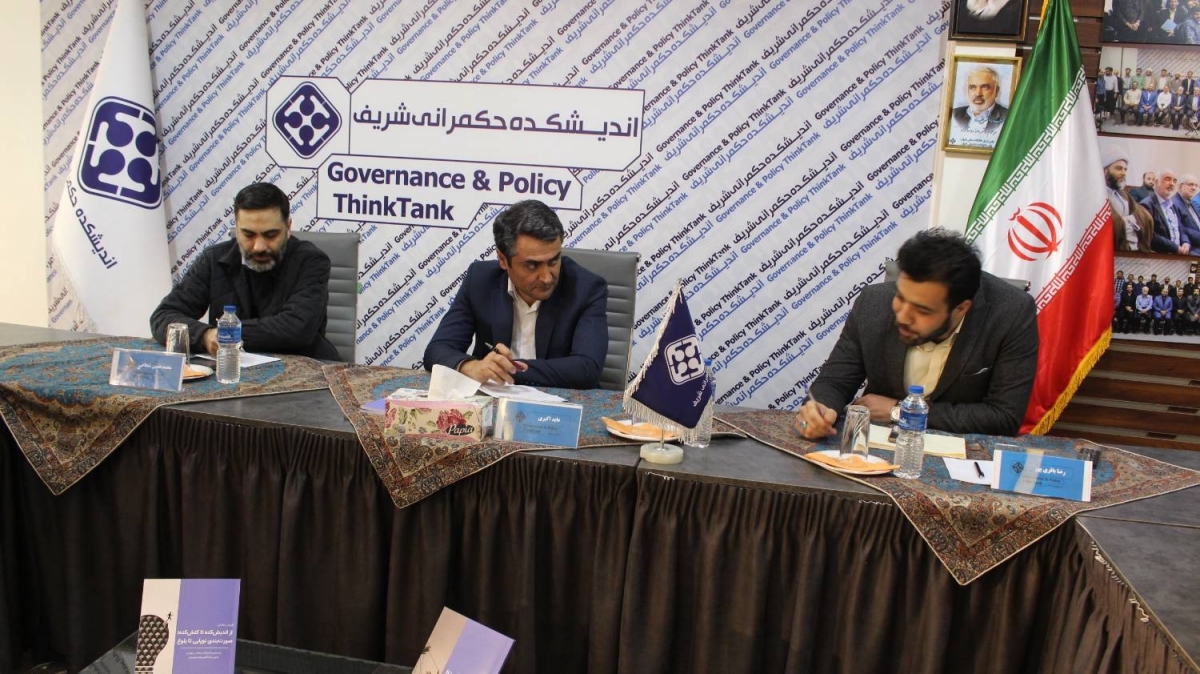
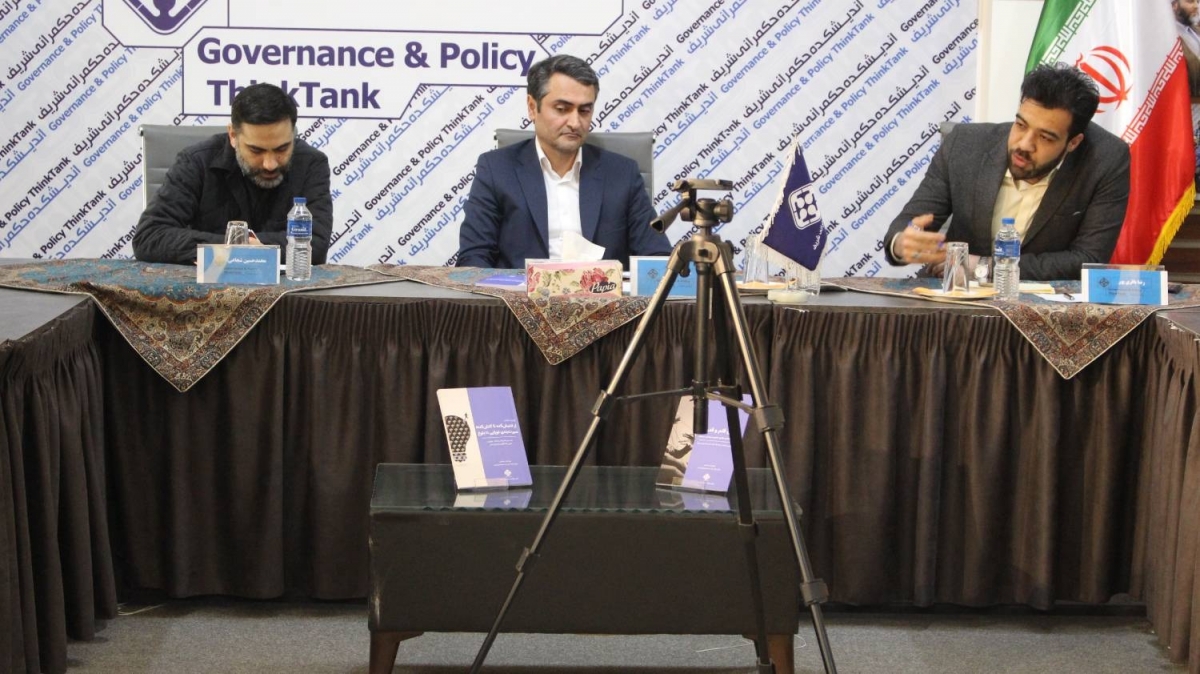
A meeting dedicated to presenting, critiquing, and reviewing two newly published policy reports by the Sharif Governance Think Tank was held on Sunday, December 30, 2025 (9 Azar 1404). The reports addressed two key topics: “A Critical Assessment of the Policy Advisory Ecosystem in Iran” and “Introducing a New Model for Ranking Think Tanks and Assessing Their Institutional Maturity.”
At the beginning of the meeting, Mr. Reza Bagheripour, the author of the reports, provided an overview of the country's policy advisory ecosystem and the role of think tanks within it. Subsequently, Dr. Abed Akbari, Deputy of the Center for Strategic Studies of the Presidency, and Dr. Seyed Mohammad Hossein Shojaei, Deputy for Research at the Presidential Research Institute for Technology Studies, shared their perspectives on the two reports and discussed the developments and requirements of the policy advisory ecosystem.
Reza Bagheripour
"The policy advisory system is not merely a framework for think tanks; rather, it provides a lens through which the political system as a whole, including both its broader structures and specific components, can be analyzed.
Although the need to develop this aspect of governance capacity is gradually gaining recognition in the country, its underlying requirements and implications remain poorly understood by decision-makers. For example, the Seventh National Development Plan has not adopted an appropriate approach to addressing the organization and regulation of think tanks.
One of the key achievements of promoting the proposed think tank maturity model is the creation of a shared understanding among stakeholders in this field and the alignment of previously fragmented efforts toward common objectives."
Dr. Abed Akbari
"Specific structural conditions are essential for the effective operation of think tanks. However, our policymaking system has not yet institutionalized or fully integrated mechanisms for utilizing expert knowledge.
Under such circumstances, developing indicators and ranking think tanks without an established policy impact chain can lead primarily to superficial activities, the accumulation of reports, and quantitative competition rather than meaningful policy influence.
At the level of professional capabilities, our main challenge is also evident: Iranian think tanks are not distant from decision-making circles because they avoid politics or become overly politicized, but because they lack a sufficient understanding of policymaking processes and the ability to translate knowledge into effective policies."
Dr. Seyed Mohammad Hossein Shojaei
"The maturity of a think tank should be assessed alongside other stakeholders in this field and within the broader context of an interconnected ecosystem. For example, policy research institutes can play a role in theorizing policy experiences and strengthening the theoretical foundations of other think tanks. Similarly, government-affiliated think tanks can serve as bridges between the government and its decision-making system and other think tanks.
Overall, the resources, access, and capabilities of different types of think tanks should be shared with other stakeholders across the ecosystem.
Publicizing the achievements of think tanks through the media requires careful consideration of various sensitivities in Iran and does not necessarily guarantee greater policy impact. The relationship between media and policymaking can vary considerably depending on the subject matter, stakeholders, and relevant interest groups."